
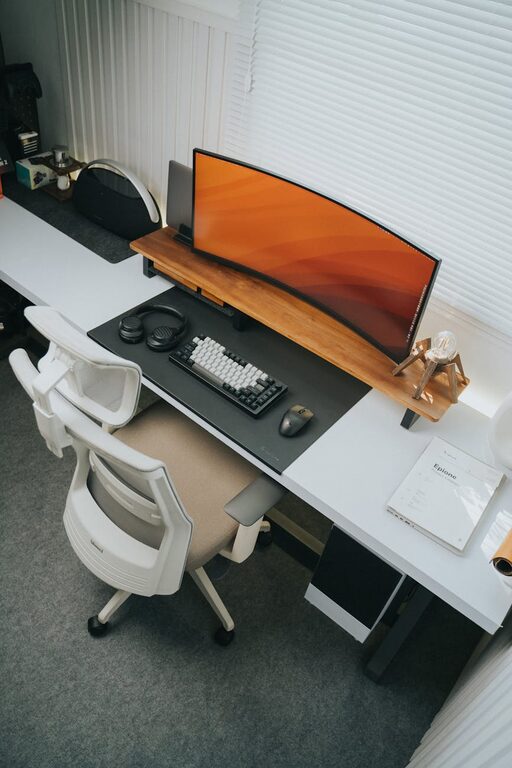
Creating an organized workspace can significantly impact your productivity and overall mood during the workday. A clutter-free and thoughtfully arranged environment helps reduce distractions, keeps you focused, and makes it easier to find what you need. Whether you work from home or in an office, these creative tips will help you optimize your workspace for better efficiency and comfort.
Why an Organized Workspace Enhances Productivity
When your desk is cluttered with papers, cables, and miscellaneous items, it’s easy to feel overwhelmed and distracted. An organized workspace allows you to:
– Focus on tasks without unnecessary interruptions
– Save time searching for materials or documents
– Maintain a clear mind and reduce stress
– Improve comfort and ergonomics for long work sessions
Now that you understand why it matters, let’s explore practical ways to organize your workspace creatively.
1. Use Vertical Storage Solutions
If your desk space is limited, look upwards! Vertical storage helps maximize your area without crowding the tabletop.
– Floating shelves: Install a few shelves above your desk to keep books, reference materials, or decorative items.
– Wall-mounted pegboards: Great for holding tools, stationery, or headphones in an accessible way.
– Hanging file organizers: Keep important documents visible and easy to reach while clearing desktop space.
2. Create Zones for Different Tasks
Designate specific areas on or around your desk for particular purposes. This creates a natural workflow and keeps related items close by.
– Work zone: Your main computer, keyboard, and mouse area.
– Planning zone: Place a calendar, notebook, or whiteboard for notes and ideas.
– Storage zone: A drawer or container for office supplies like pens, paper clips, and sticky notes.
– Relaxation zone: A small plant or object that brings calm during breaks.
3. Declutter Regularly
Even the most organized system can become messy without regular upkeep.
– Schedule a weekly or monthly check-in to clear out unnecessary papers, empty coffee mugs, and old notes.
– Consider a “one-in, one-out” rule where you remove an item when you add something new.
– Digitize documents and notes when possible to reduce paper clutter.
4. Use Creative Containers and Organizers
Instead of generic boxes, opt for creative containers to add personality and practicality to your space.
– Mason jars or cups for pens and pencils
– Decorative baskets for cables and chargers
– Magazine holders for folders and papers
– Drawer dividers to keep small items separated and easy to grab
Choosing containers in matching colors or materials can also create a cohesive, calming look.
5. Personalize Without Overdoing It
Adding personal touches makes your workspace inviting and motivating but be mindful not to crowd it.
– Display a few photos, artwork, or inspirational quotes.
– Add one or two desk plants for a fresh vibe and better air quality.
– Use color-coded items to brighten the space while helping organize.
Balance is key—too many decorations can cause distraction.
6. Optimize Cable Management
Cables can quickly turn your desk into a tangled mess.
– Use cable clips to keep wires in place along the edge of your desk.
– Employ cable sleeves or tubes to group several cords together.
– Label cables so you can quickly identify chargers or device connections.
A neat cable setup not only looks better but makes connecting and disconnecting easier.
7. Invest in Ergonomic Accessories
Comfort supports productivity by preventing fatigue and discomfort.
– Use a monitor riser or adjustable stand to keep your screen at eye level.
– Choose an ergonomic chair or add lumbar support cushions.
– A keyboard tray can free up desk space and improve posture.
Ergonomic accessories contribute to a better working experience and reduce strain throughout your day.
8. Make Use of Digital Tools to Reduce Paper
Going paperless is a simple way to keep your desk organized.
– Scan important documents and store them in cloud services.
– Use note-taking apps instead of sticky notes.
– Automate reminders and calendar events digitally to avoid clutter.
Digital organization complements physical tidiness and helps streamline your workflow.
Conclusion
Organizing your workspace doesn’t have to be boring or tedious. By incorporating creative storage solutions, establishing work zones, and regularly decluttering, you can create a productive environment tailored to your needs. Remember to keep it personal yet functional and maintain your setup frequently for lasting benefits. A well-organized workspace sets the stage for focus, creativity, and consistent success in your workday. Try these tips today and enjoy the difference!