
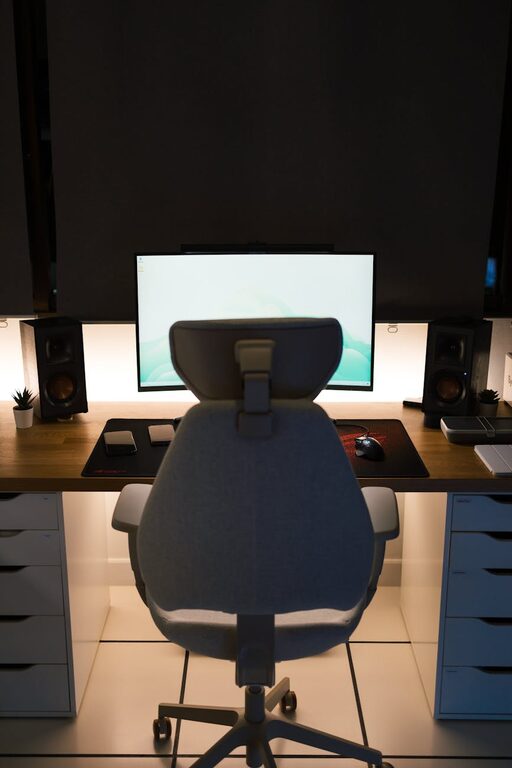
Creating a home workspace that feels both relaxing and productive can make a big difference in how well you work each day. Whether you are new to remote work or looking to improve your current setup, a comfortable and calming environment can help you stay focused, reduce stress, and boost overall productivity.
In this post, you’ll find practical tips to design a home workspace that supports both relaxation and efficiency. From organizing your space to considering lighting and décor, these ideas will help you craft a workspace tailored to your needs.
Choose a Quiet and Comfortable Location
One of the first steps to creating a relaxing home workspace is selecting the right spot within your home. Ideally, pick an area away from heavy foot traffic and distractions like the television or noisy appliances. A dedicated corner or even a small room can work well.
Make sure the location has good ventilation and is comfortable temperature-wise. Having control over these factors can reduce discomfort and keep you focused longer.
Invest in Ergonomic Furniture
Comfort plays a vital role in relaxation and productivity. Choose a chair that provides good back support and a desk at the right height to avoid strain. Ergonomic furniture can help prevent discomfort and injury, especially if you spend long hours working.
Consider adding a footrest if your feet don’t touch the floor easily, and use a monitor stand to keep your screen at eye level. Small adjustments like these can make a significant difference over time.
Declutter and Organize Your Space
A cluttered workspace often leads to a cluttered mind. To create a relaxing environment, keep your desk neat and organized.
– Use storage solutions such as trays, drawers, or shelves to keep supplies and papers out of sight.
– Limit the number of items on your desk to only what you need for your current task.
– Regularly tidy your workspace at the end of each day.
Organizing your workspace helps reduce anxiety and distractions, allowing you to focus more easily.
Optimize Lighting for Comfort and Energy
Lighting affects both your mood and energy levels. Natural light is best, so position your desk near a window if possible. It can help reduce eye strain and lift your spirits throughout the day.
If natural light is limited, invest in warm, adjustable lighting options. Avoid harsh fluorescent lights and glare on screens. Desk lamps with dimmers allow you to customize the amount of light based on your needs.
Add Calming Elements and Personal Touches
Personalizing your workspace with calming elements can reduce stress and create a pleasant atmosphere. Consider these additions:
– Houseplants: They bring a touch of nature indoors and can improve air quality.
– Soft textiles: A cozy rug or cushion can make your space feel inviting.
– Artwork or photos: Inspirational or soothing images help create a positive environment.
– Scent: A subtle diffuser with a calming fragrance like lavender or eucalyptus may support relaxation.
While personal touches are great, try to keep them minimal so they don’t distract you from work.
Manage Noise Levels
Background noise can either help or hinder concentration depending on your preferences. If you’re easily distracted, try noise-cancelling headphones or white noise machines to block out disturbances.
Alternatively, some people find that gentle ambient sounds such as instrumental music or nature sounds boost focus. Experiment to discover what works best for you.
Set Boundaries and Establish a Routine
A relaxing workspace also depends on how you use it. Set clear boundaries to avoid blurring the lines between work and personal life. For example, avoid working from your bed or couch.
Create a daily routine that includes breaks and time to stretch or move around. Taking breaks refreshes the mind and can prevent burnout.
Keep Technology in Check
Technology enables productivity but can also cause distractions. Organize cables to reduce clutter and use screen filters to decrease glare and eye strain.
Set up notifications mindfully to avoid constant interruptions. Using apps that block distracting websites during work hours can help maintain focus.
Maintain Cleanliness for Peace of Mind
Regular cleaning of your workspace not only promotes hygiene but also contributes to a peaceful atmosphere.
Wipe down surfaces, dust furniture, and vacuum the area frequently. A clean workspace supports mental clarity and overall well-being.
—
Creating a relaxing home workspace takes some planning, but the benefits are well worth the effort. By choosing the right location, furnishing it for comfort, organizing thoughtfully, and managing lighting and noise, you can foster an environment that supports both relaxation and productivity. Experiment with these tips to tailor your space to your liking and enjoy more focused, stress-free workdays.